 1-888-488-7720




Vole Infestation
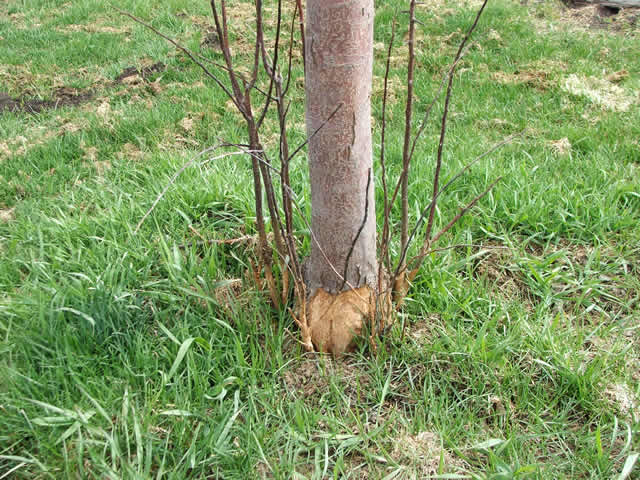
Vole infestations harm not only lawns, but trees, too.
Vole infestations occur when food becomes scarce. Dry weather is often the culprit for a vole infestation because it causes a reduction in the green food supply. Voles need roots, greens, and water in order to survive. During a dry weather they may find that their food sources have diminished. When this happens, they move out and go on to search for greener pastures.
Another reason for a vole infestation is also related to food; if a colony becomes too large for the resources available in an area, the colony may split and some of them will leave and look for a new place to forage. This prevents the colony from over-taxing an area and enables it to survive.
Once the voles find a luscious lawn that supplies them with roots, greens and water, they settle down and stay there. They will eat tree roots, grasses, garden plants, and other kinds of plant matter. A vole infestation can occur overnight, and can do a lot of damage in a short amount of time. It is best to take quick action against a vole infestation.